

파는 곳/ where to buy
- 카페 704호 / Cafe 704
가격/ price
- MOM’S BIRTHDAY CAKE : 7,500₩
M
O
M
‘
S
B
I
R
T
H
D
A
Y
C
A
K
E
– 엄마, 생일축하해요! –
– Happy birthday, Mom! –
천 만번 파도,
천 만번 바람에도
남아있는 돌 하나.
내 가심 바당에
삭지 않는 돌 하나
엄마– 폭삭 속았수다 / <제주>
Ten million waves,
ten million winds—
yet one stone remains.
In the sea of my heart,
a stone no storm can wear away.
Mother.– When Life Gives You Tangerines / <Jeju>
북유럽 지역의 바이킹들이 자주 쓰던 단어에는 ‘kaka’가 있다. 단어 자체는 투박한 느낌을 풍기지만 우리 삶에 깊숙이 들어온 케이크의 기원이다. 케이크라는 단어가 북유럽의 kaka에서 유례했다는 이야기는 우리로 하여금 케이크로 분류되는 디저트 계통 자체가 북유럽에서 기원했을 것이라는 추측을 하게 만든다. 하지만 디저트로서 케이크의 기원은 유럽 전역에 걸쳐 나타난다.
특히 우리에게 익숙한 케이크들은 북유럽이 아닌 프랑스, 오스트리아, 이탈리아와 같은 중부-남부 유럽에서 발전되었다. 오히려 kaka는 단순히 밀가루 반죽을 구운 음식으로, 오늘날의 케이크와는 다르게 과일이나 견과류 등을 듬뿍 넣은 밀도 높은 빵을 의미했다.
The Vikings of Scandinavia had a word they used often: kaka. It sounds a bit rough, but this simple word is where our modern term cake comes from. Because of that linguistic link, it’s tempting to assume that the dessert family we now call cakes originated in the north. But the truth is more layered.
While kaka did leave its mark on language, the cakes we recognize today sweet, soft, and celebratory evolved across many parts of Europe. And the ones we’re most familiar with? They took shape not in the north, but in the refined patisseries of France, Austria, and Italy. In contrast, the original kaka was more of a dense baked good flour-based, often packed with fruits and nuts. Less of a dessert, more of a hearty loaf.
케이크가 발전해 온 과정은 기념과 축하의 외형적 변화와 궤를 같이한다. 고대 이집트나 그리스 그리고 로마 제국 시기에는 신에게 바쳐지는 제물의 한 형태로, 꿀이나 견과류, 달걀이나 우유로 만들어졌으며 평평한 모습이었다.
중세시기에는 귀족 계층의 음식으로서. 설탕, 향신료, 아몬드, 건포도 등 고급 재료로 만들어진 고형의 과일 케이크 형태가 주류를 이뤘다. 당시엔 오븐 기술이 제한적이어서 끓이거나 불 속에 묻어 익히는 방식으로 케이크를 만들었다.
18세기를 지나 베이킹 파우더가 발명되며, 이때부터 본격적으로 익숙한 형태의 스펀지 케이크 등장한다. 설탕 생산 증가와 오븐 보급은 케이크가 일반 가정에서도 만들어지 생일 케이크 문화가 퍼진다.
The evolution of cake closely mirrors the changing ways we celebrate and mark special occasions.
In ancient Egypt, Greece, and the Roman Empire, early cakes were offerings to the gods flat and simple, made with honey, nuts, eggs, or milk.
They weren’t desserts in the modern sense, but sacred, symbolic foods meant to honor something greater.
During the Middle Ages, cake became a luxury reserved for the noble class. Dense fruitcakes made with sugar, spices, almonds, and raisins were the norm. Back then, ovens were rare and unreliable, so cakes were often boiled or buried in embers to bake.
Then came the 18th century and with it, baking powder. This changed everything. Soft, fluffy sponge cakes finally entered the scene. As sugar became cheaper and ovens more common in homes, cake left the palaces and entered the everyday. Birthdays, especially, became sweeter with homemade cakes at their center.


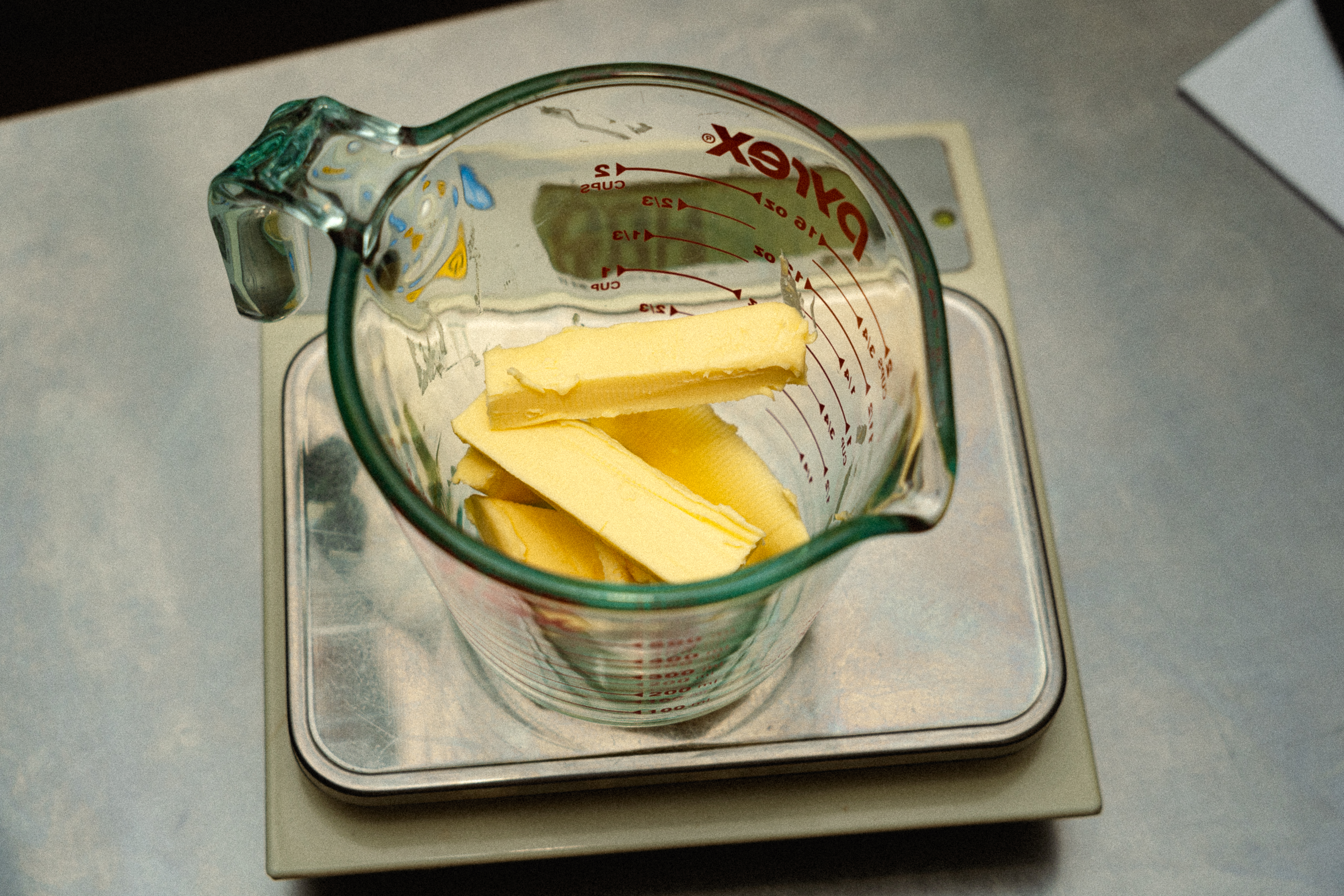
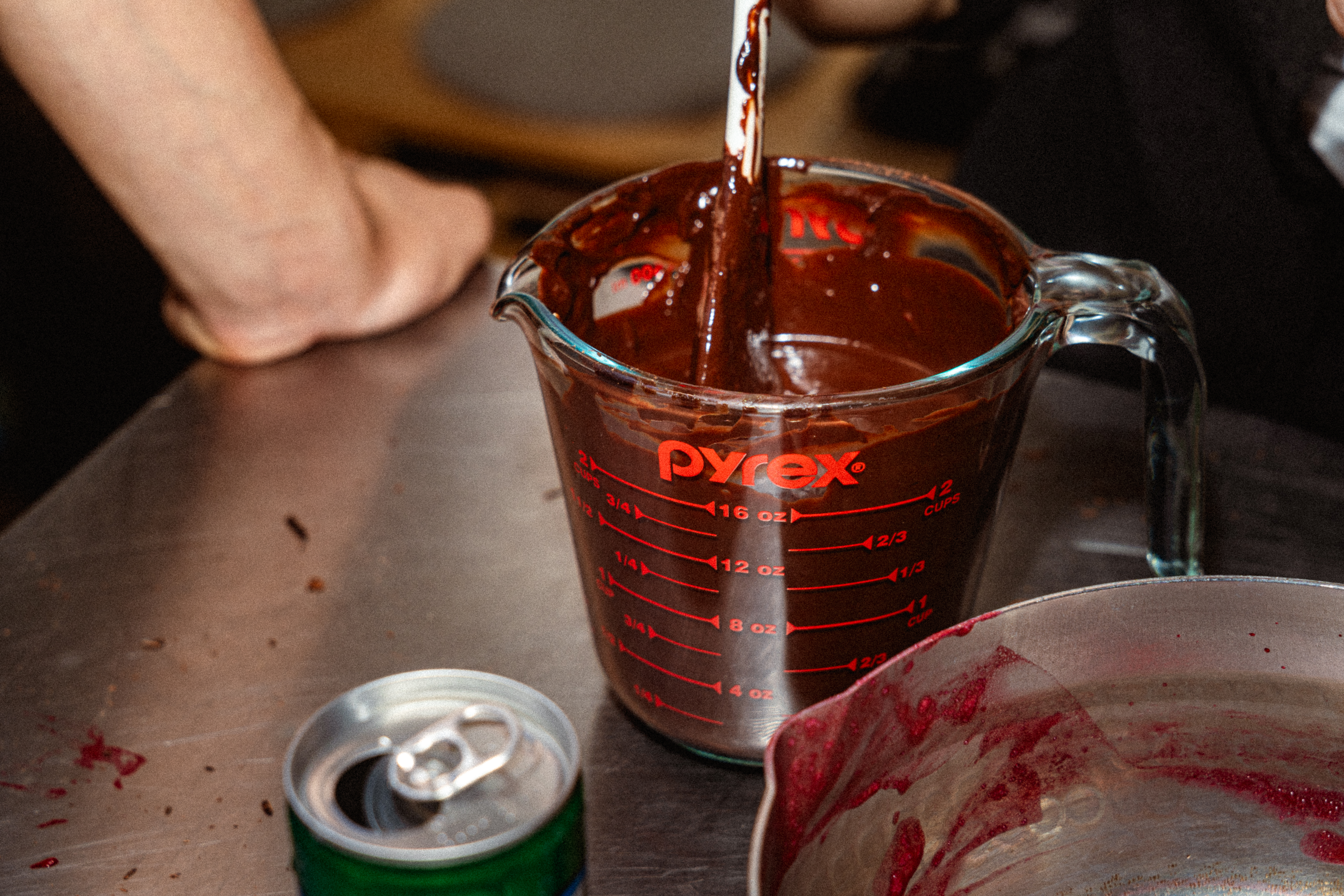
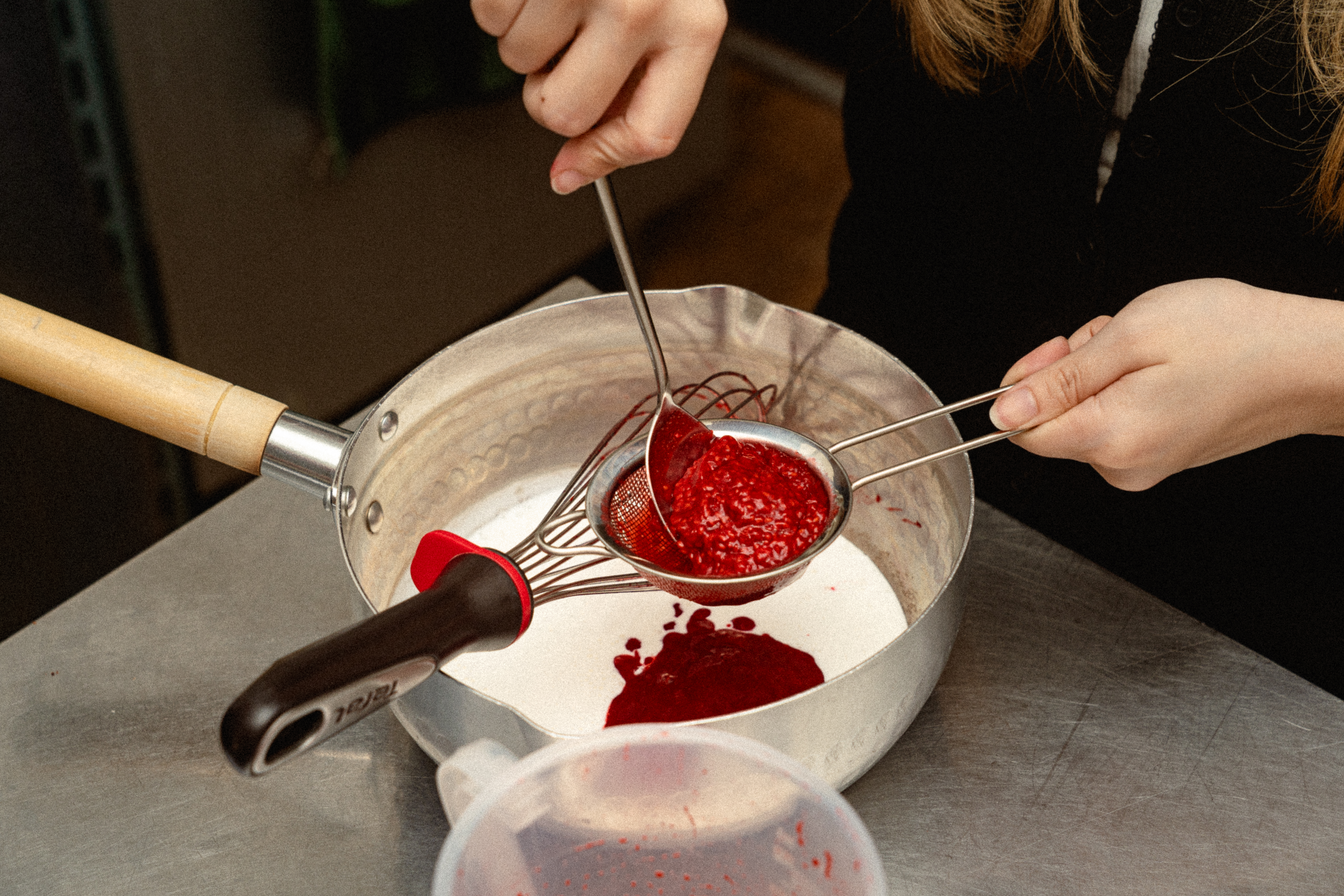
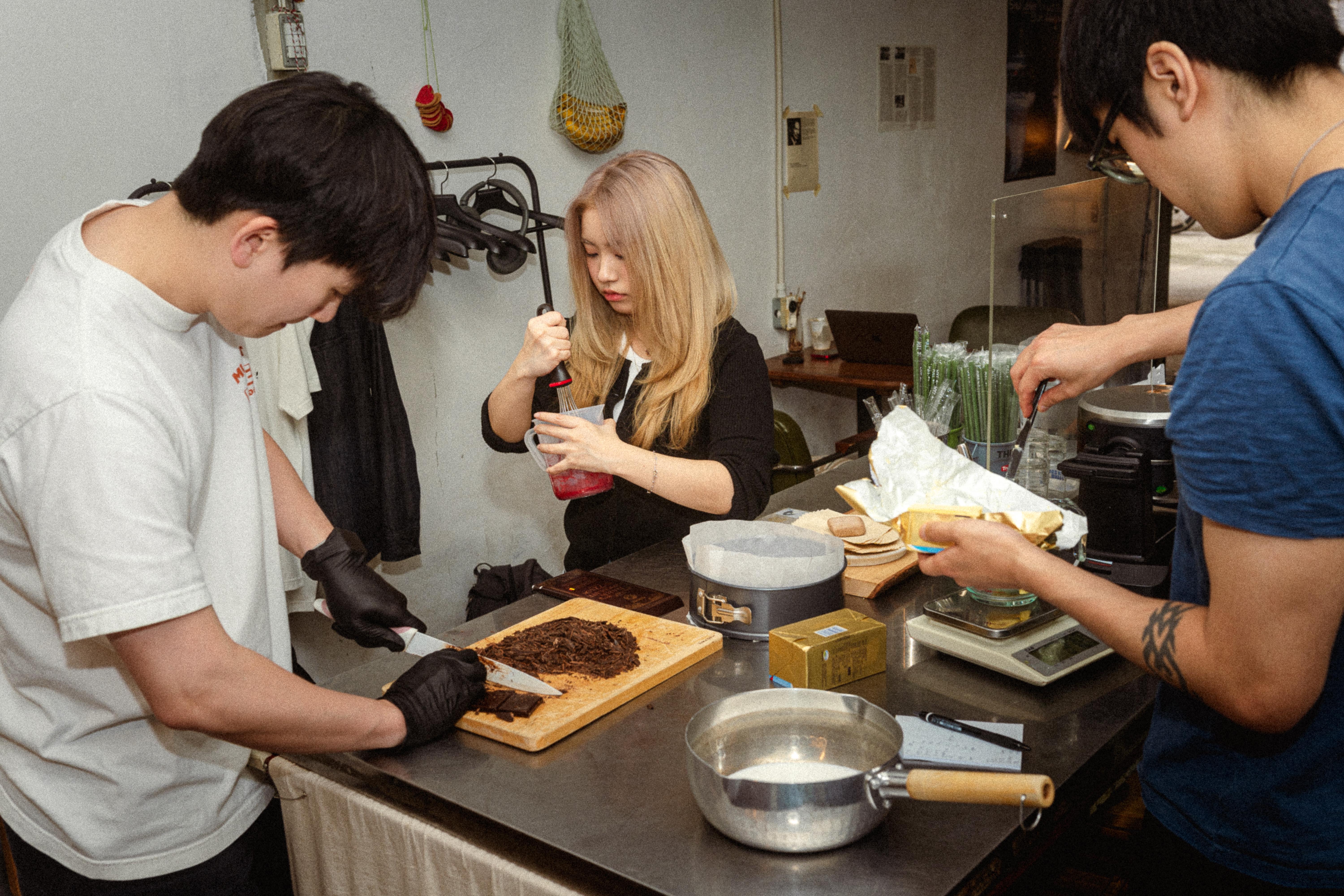
북유럽 스타일의 케이크는 일반적 케이크와는 다르게 화려한 슈가 아트나 무게감 느껴지는 크림 대신, 딸기, 블루베리, 귀리, 아몬드 같은 자연재료가 더 강조된다.
특히 집에서 케이크를 만들어먹는 문화와 연결되며, 디저트 특유의 달콤함과 강조된 디자인보다는 자연과 가정의 조화로움이 느껴진다. 엄마가 아이를 위해, 아이가 자라 처음으로 엄마에게, 또는 손주가 할머니를 위해 구운 케이크. 북유럽에서 케이크는 기술보다 기억, 완성도보다 관계를 더 소중히 여긴다.
북유럽의 대표적인 케이크로는 왕실 가정교사가 공주를 위해 만든 레시피에서 유래한 스웨덴의 공주 케이크(Prinsesstårta), 3~4층의 스펀지 케이크로 생크림과 잼, 초콜릿 무스를 겹쳐 만드는 덴마크의 레이어 케이크(Lagkage), 바삭한 머랭, 바닐라 커스터드, 아몬드 그리고 케이크 시트로 만들어져 세상에서 가장 맛있는 케이크(Verdens beste)라는 별명이 있는 노르웨이의 크베이퓌르드카케 (Kvæfjordkake), 귀리 반죽과 라즈베리 잼를 오븐에 구운 아이슬란드의 결혼의 행복 케이크(Hjónabandssæla) 등이 있다.
Unlike the ornate sugar art or heavy cream-topped cakes we often see, Scandinavian-style cakes lean into something simpler fresh ingredients like strawberries, blueberries, oats, and almonds take the spotlight.
They’re closely tied to home baking, where the goal isn’t perfection or grandeur, but warmth, care, and the quiet joy of making something for someone you love.
A mother baking for her child. A grown-up child baking for their mother. A grandchild surprising their grandmother. In the north, cake isn’t about technique it’s about memory. Not about flawless finishes, but about relationships.
The Nordic region has its own beloved cakes, each carrying a bit of history and heart. There’s Prinsesstårta from Sweden the “Princess Cake,” born from a royal governess’s recipe, made especially for her young royal pupils. Its soft layers of sponge, cream, and green marzipan are now a Swedish classic.
From Denmark, there’s Lagkage, a multi-layered sponge cake stacked with whipped cream, jam, and chocolate mousse light yet rich, and often found at birthdays and holidays.
Norway brings us Kvæfjordkake, a dreamy combination of crisp meringue, vanilla custard, almonds, and cake layers. It’s often called Verdens beste—“the world’s best cake”—and it just might live up to the name.
And from Iceland, there’s Hjónabandssæla, which charmingly translates to “marital bliss.” It’s a rustic, oat-based cake filled with raspberry jam and baked until golden simple, hearty, and full of love.


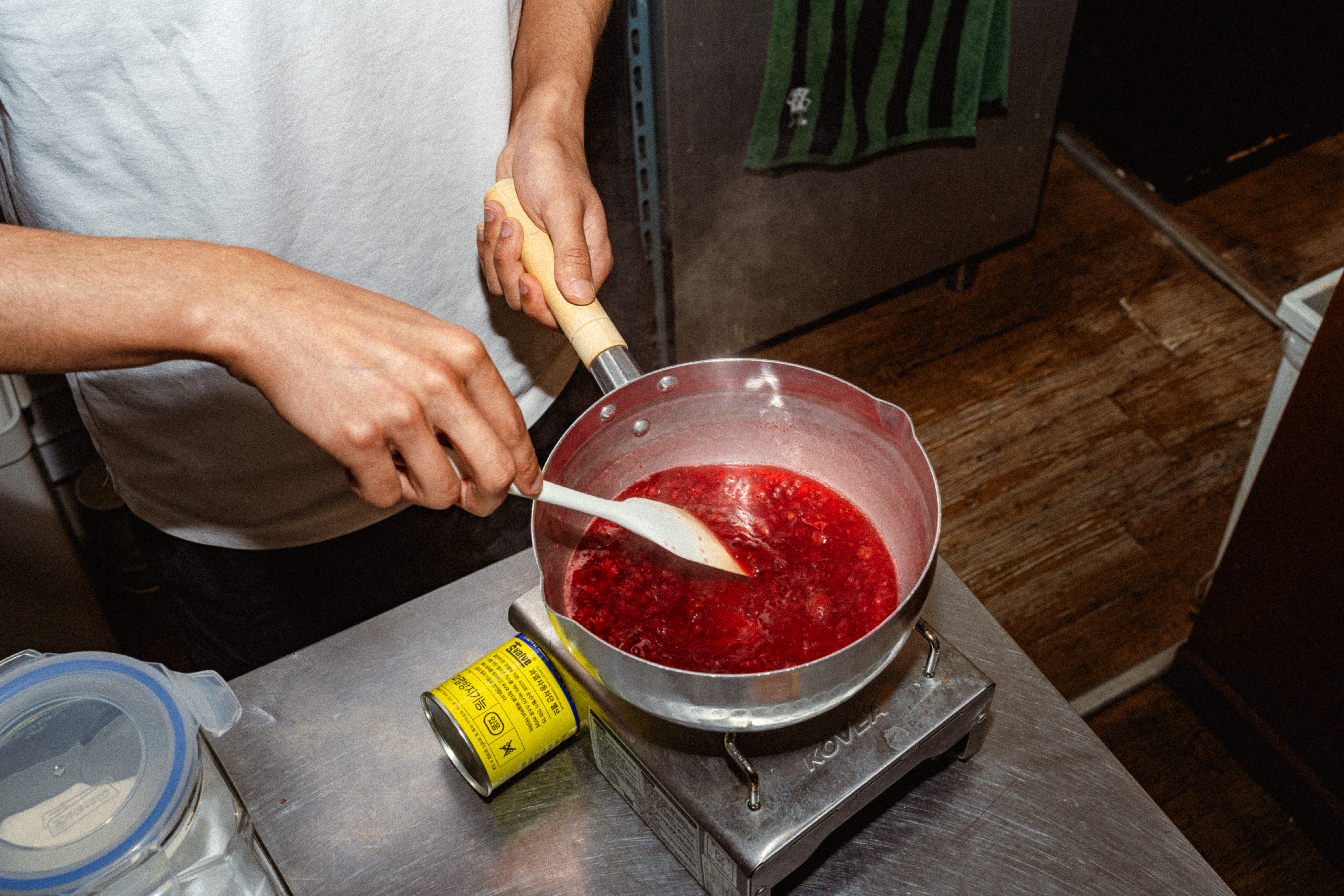
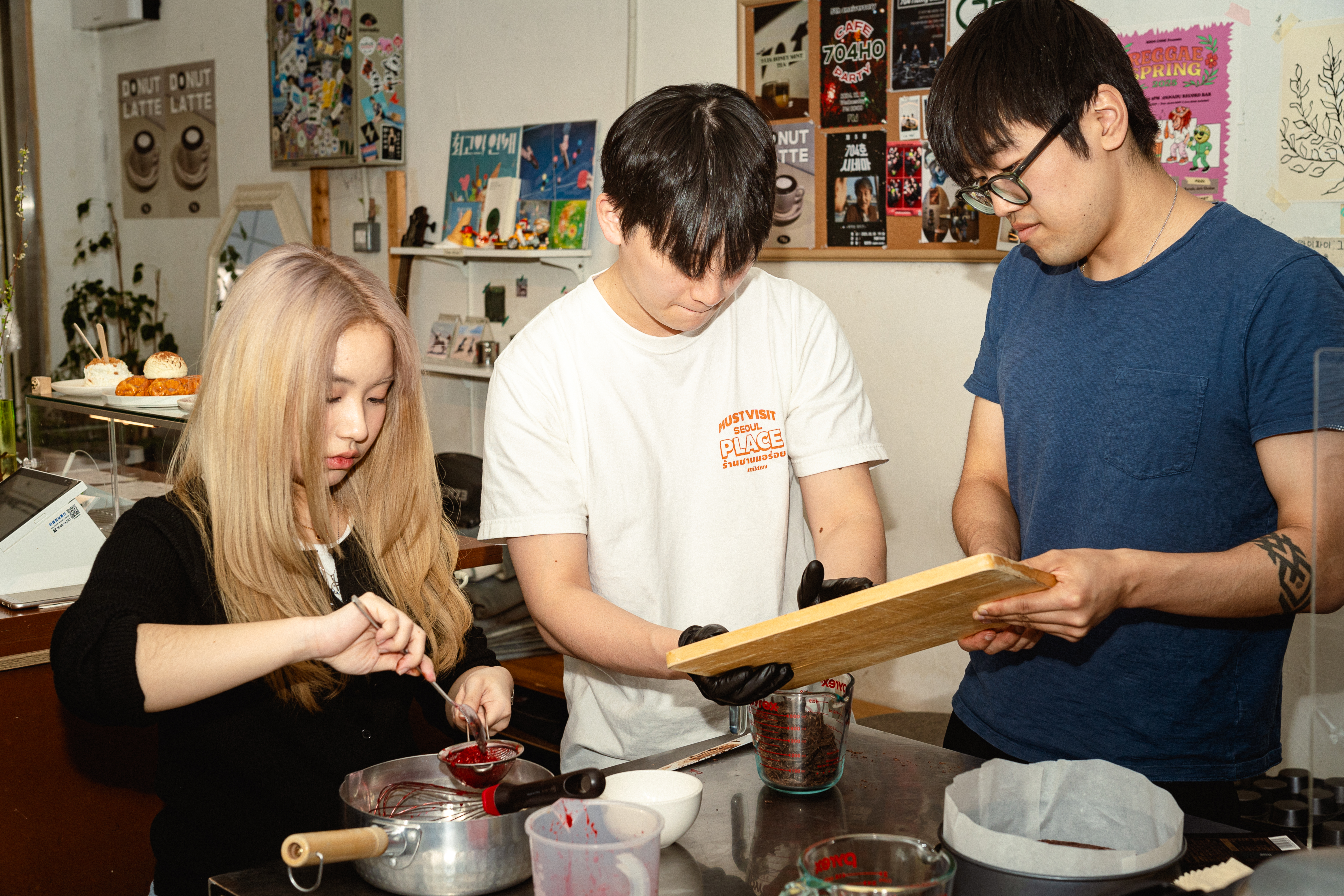
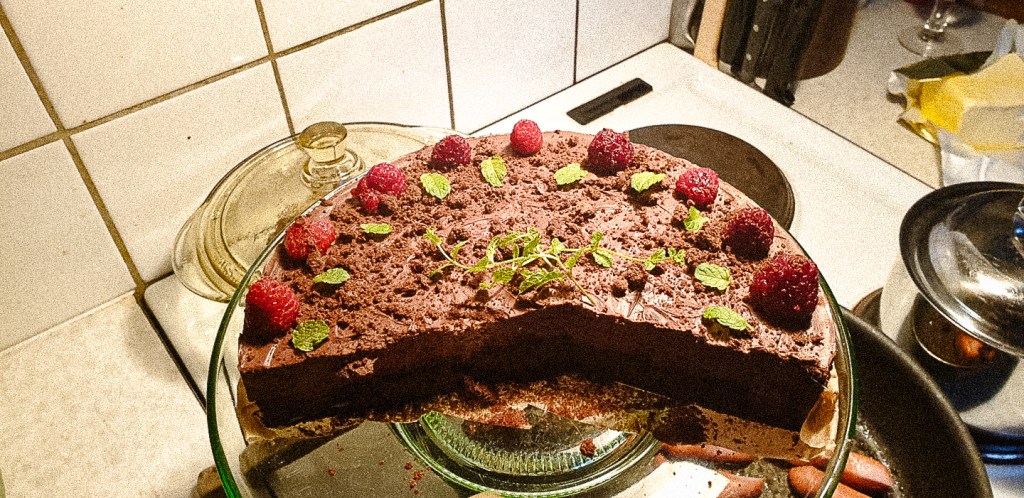
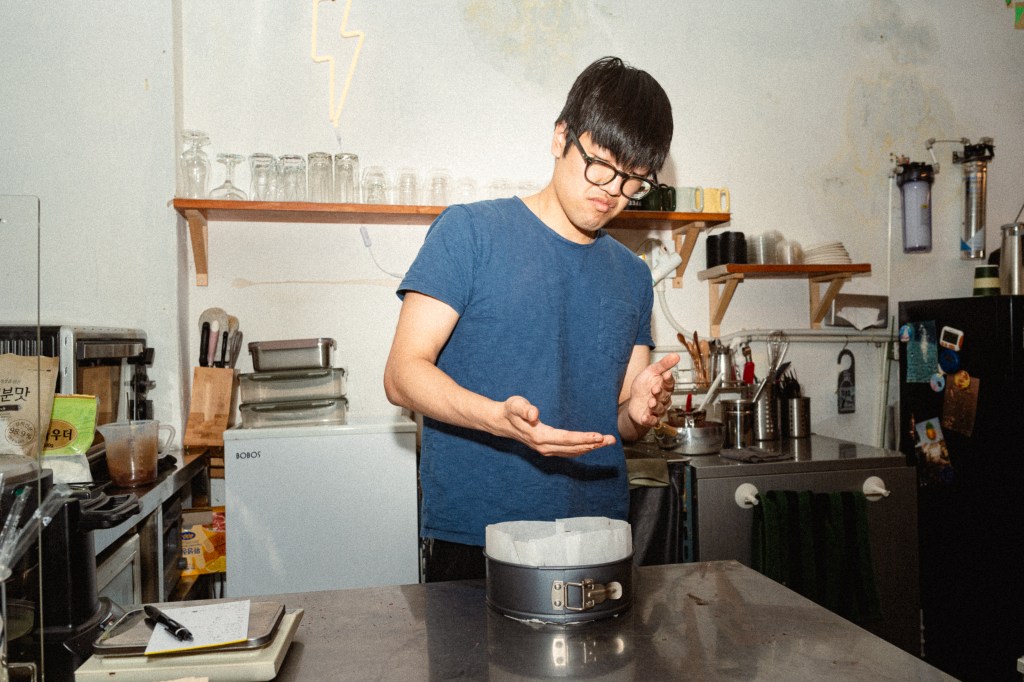
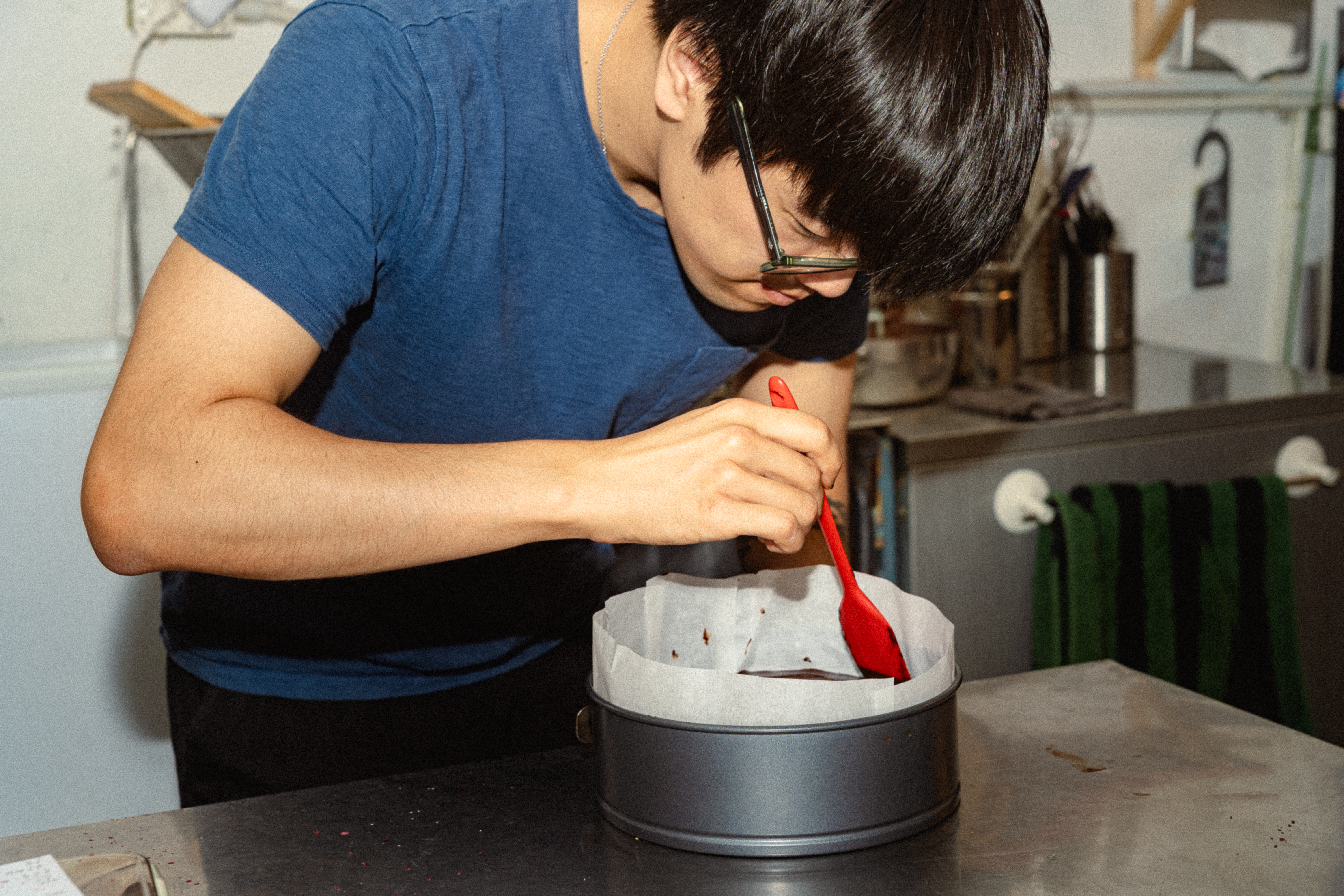
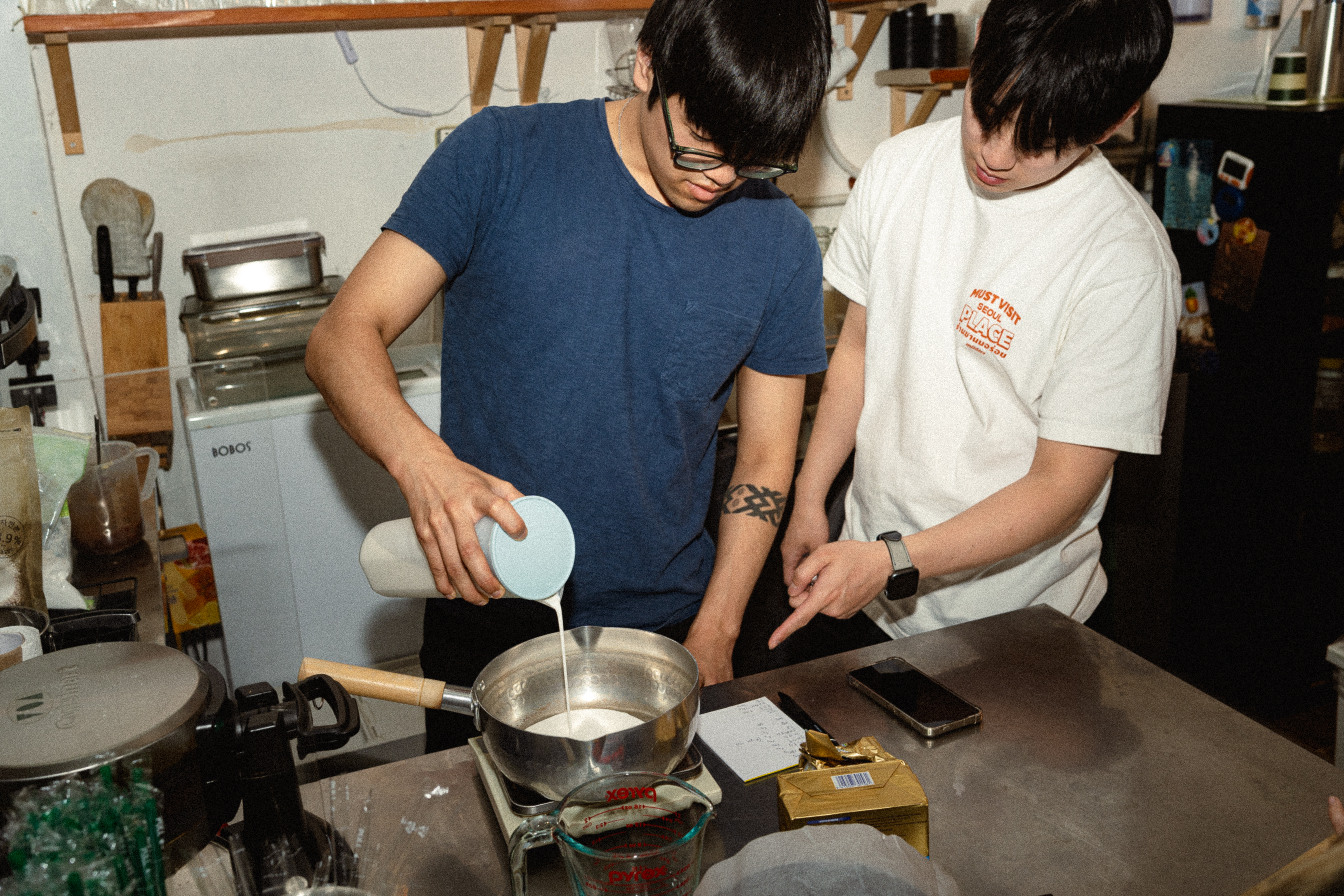
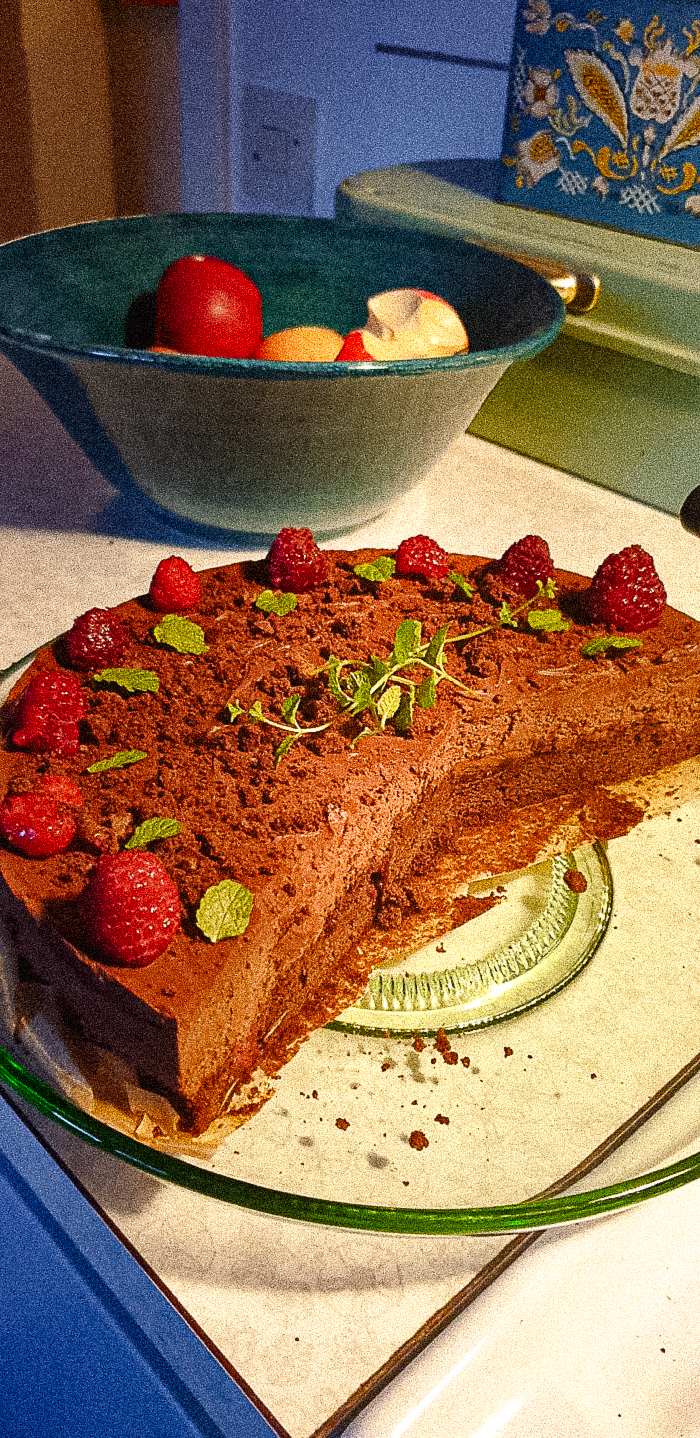
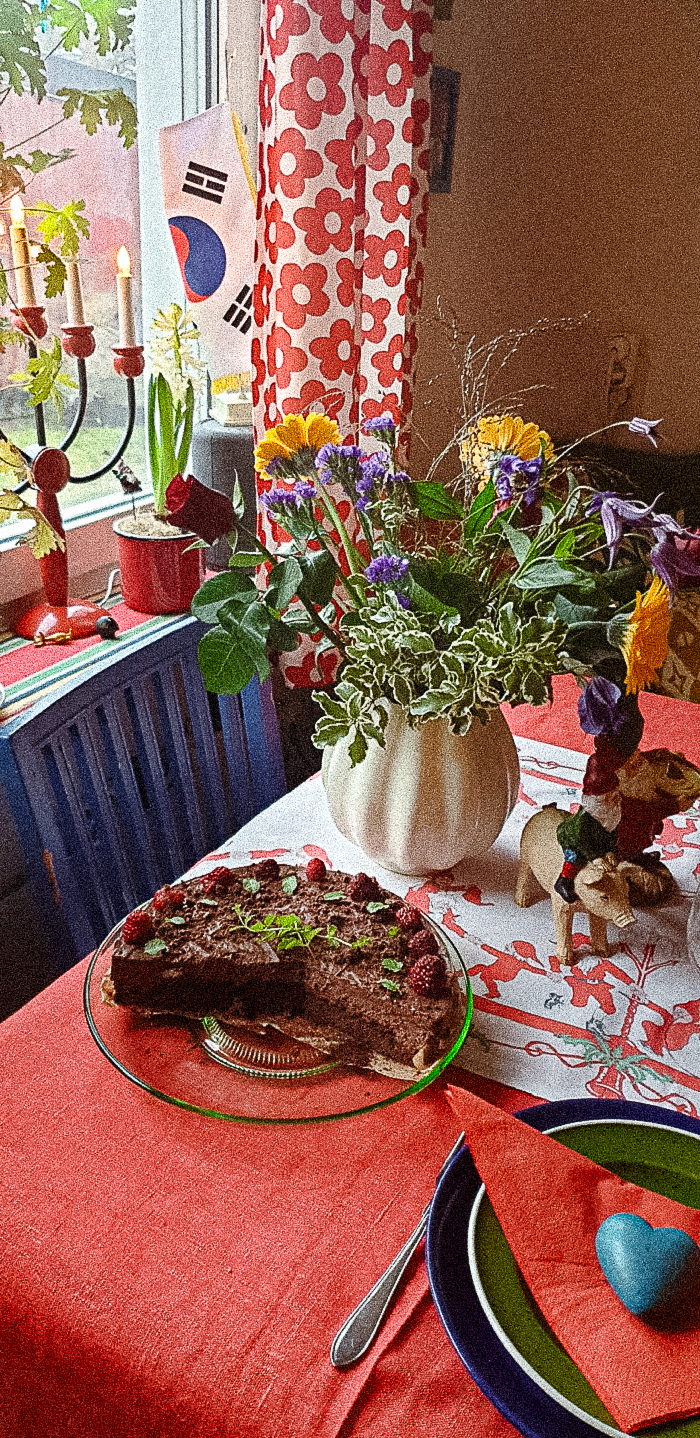
시몬이 만든 케이크도 그렇다. 어머니의 생일을 축하하며 어머니가 가장 좋아하는 초콜릿과 라즈베리로 만든 케이크. 투박한 케이크처럼 보이지만, 시몬이 만든 케이크에는 지구 반대편에서 온 자신을 사랑으로 받아낸 어머니에 대한 감사함과 사랑이 녹아있다. 특별히 시몬의 케이크에는 어머니가 좋아하는 재료인 초콜릿이 들어가 있다.
Simon’s cake was just like that. He made it for his mother’s birthday, layered raspberries her favorites. It might look a little rough around the edges, but inside, it holds something much deeper: gratitude and love for the woman who welcomed him from the other side of the world.

 Daily Photography and Story By Jagyeom Kim