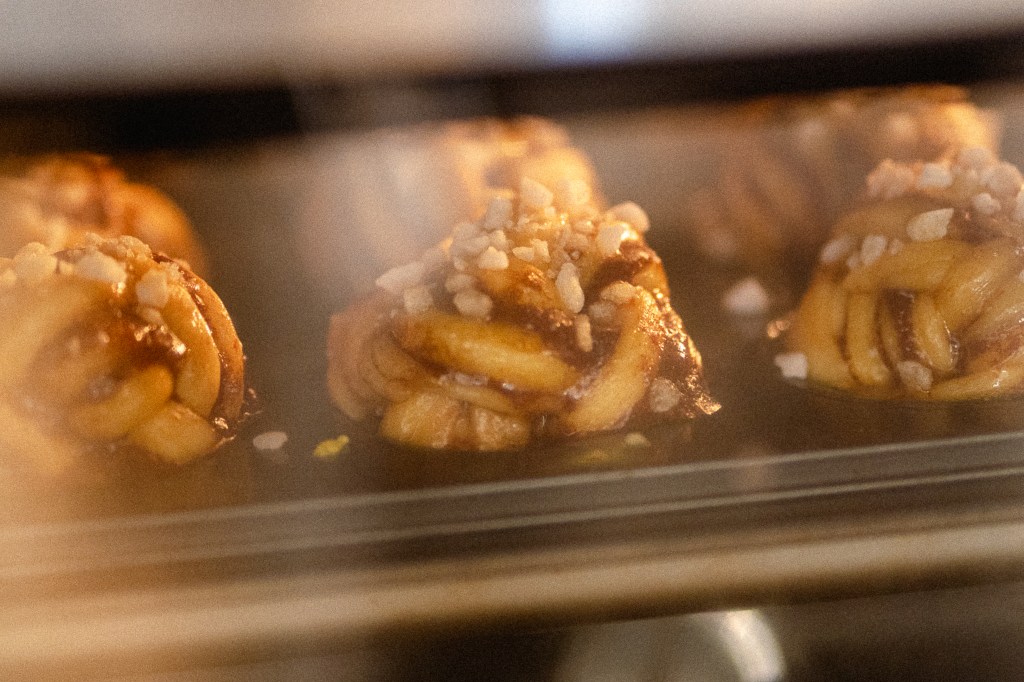

파는 곳/ where to buy
- 카페 704호 / Cafe 704
가격/ price
스웨덴 세트/Sweden Set: 10,000₩ (SOLD OUT)
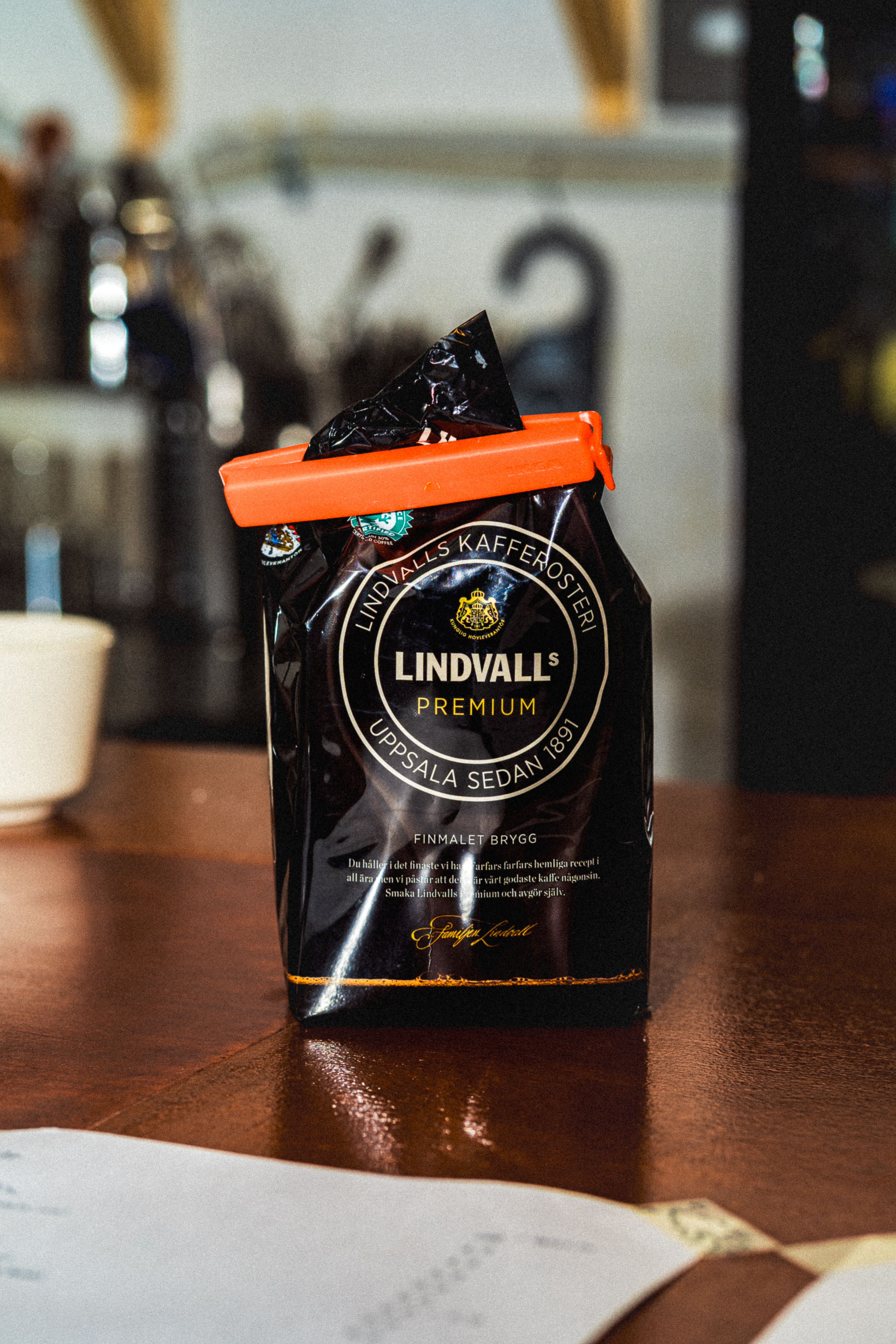
- 시나몬 번+스웨덴 원두/Cinnamon Bun+Sweden Coffee
시나몬 번/Cinnamon Bun: 4,900₩
판매 기간/Sale Period
- 매주 목,금/
Every Thursday and Friday - 3월까지 판매
K
a
n
e
l
b
u
l
l
e
– 돌돌말아 올린 삶의 여백 –
– The Rolled Up Margins of Life –
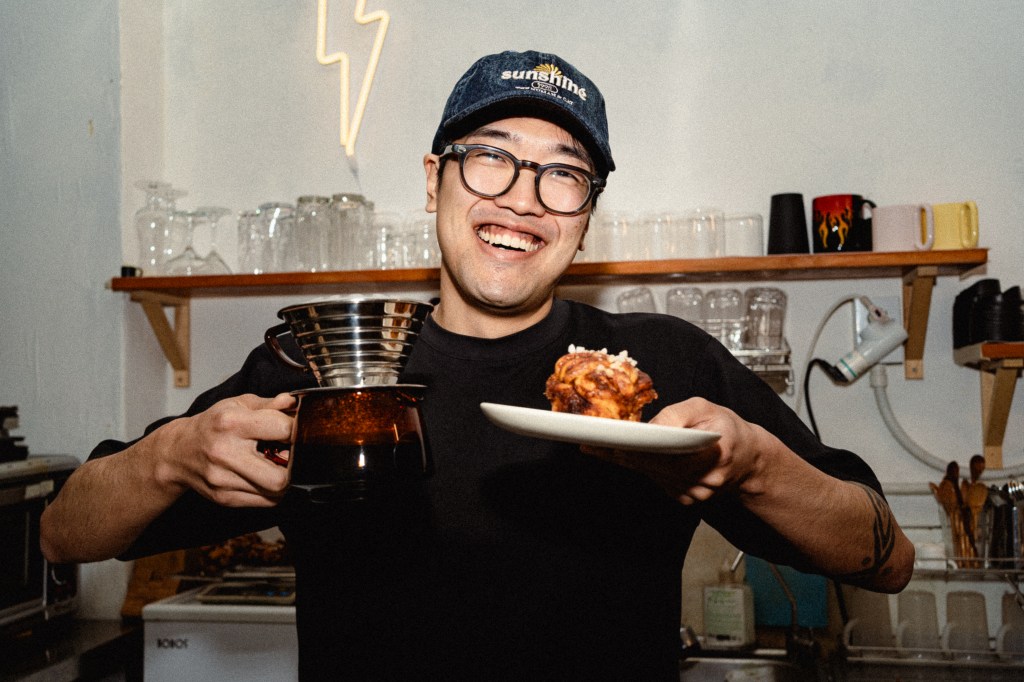
스웨덴의 모든 건 이 작은 빵 안에 담겨있어요. 사람도, 문화도, 역사도.
한국에 김치 찌개가 있다면,
스웨덴에는 카넬불레가 있죠.“In many ways, all of Sweden is folded into this little bun
its people, its culture, its history.
If Korea has kimchi stew,
then Sweden has the Kanelbulle.”– Simon
시나몬 번하면 어떤 이미지가 떠오르나요?
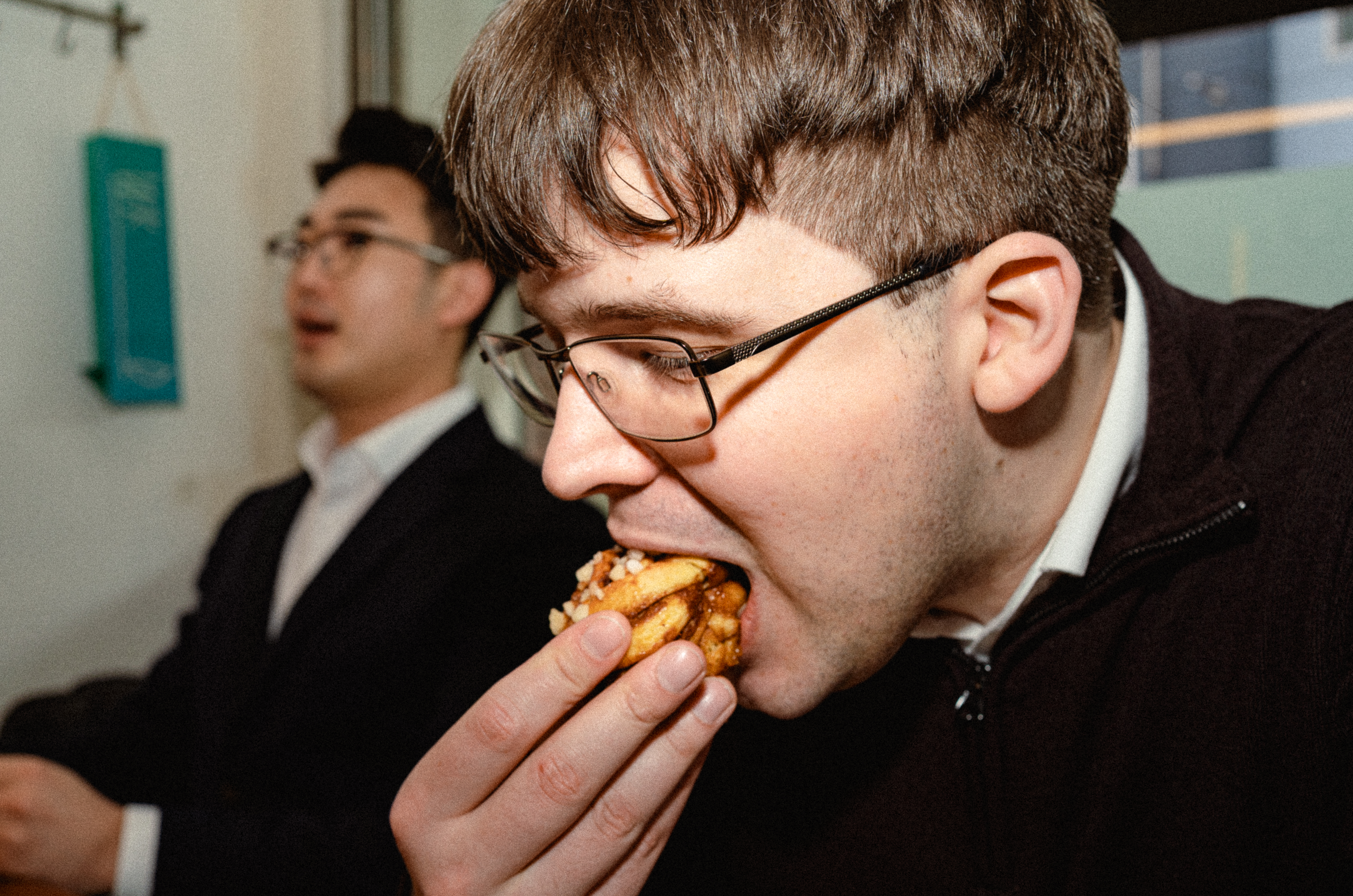
폭신한 반죽을 돌돌 말아 계피와 설탕이 켜켜이 스며든 그 달콤한 향, 따뜻한 커피 한 잔과 함께 먹는 느긋한 오후… 생각만 해도 마음이 느긋해 집니다.
하지만 이 사랑스러운 빵이 단순히 디저트를 넘어, 어떤 나라에서는 ‘문화’ 그 자체이기도 합니다.
What comes to mind when you think of a cinnamon bun?
Maybe it’s that soft, fluffy dough rolled up tight layered with cinnamon and sugar, filling the air with a sweet, cozy aroma. A slow afternoon, a warm cup of coffee, and that first bite… Just thinking about it brings a kind of calm.
But in some parts of the world, this lovely little pastry isn’t just dessert. It is culture.
특히 오늘의 주인공 스웨덴 시나몬 번(카넬불레/Kanelbulle)은 단순한 간식이 아니라 삶의 여백, 그리고 나눔의 상징처럼 여겨지기도 합니다.
우리가 잘 아는 이 시나몬 번의 유래부터, 스웨덴 사람들의 삶 속에 녹아든 그 특별한 의미, 그리고 미국이나 다른 나라와의 차이점까지. 시나몬 향 가득한 이야기를 알아가보죠.
Today’s main character, the Swedish cinnamon bun(Kanelbulle) is more than just a sweet treat. In Sweden, it’s seen as a symbol of pause, of presence, and of sharing.
Let’s take a moment to explore its story from the origins of the cinnamon bun we know so well, to the unique meaning it holds in Swedish daily life,
and how it differs from its counterparts in the U.S. and elsewhere.
A slow, fragrant journey into the world of cinnamon awaits.




시나몬 번은 꽤 오래된 이야기를 가지고 있습니다. 원래 시나몬(계피/cinnamon)은 스리랑카, 인도, 중국 등 아시아에서 재배되던 향신료였죠.
중세 유럽에서는 아주 귀한 물건이었고, 왕족이나 귀족들만 즐길 수 있는 ‘사치품’이었습니다.
The cinnamon bun has quite a long and winding history.
Cinnamon itself originally grown in places like Sri Lanka, India, and China was once an exotic spice in medieval Europe.
Back then, it was so rare and valuable that only royalty and nobility could afford it. It wasn’t just a flavor—it was a luxury.
점차 무역이 발달하며 16~17세기 무렵 유럽 전역으로 시나몬이 퍼지기 시작합니다.
그때 시나몬이 설탕, 밀가루, 버터와 만나기 시작하죠. 처음에는 빵 위에 설탕과 시나몬을 뿌려 먹거나, 안에 넣어 구워내는 방식으로 먹기 시작했습니다.
점점 음식이 형태를 잡게 되면서 지금 우리가 아는 시나몬 번의 원형이 만들어집니다.
지금은 유럽 전역에서 볼 수 있는 빵이지만, 국민적인 사랑을 받는 음식으로 발전한 건 다름 아닌 스웨덴에서였습니다.
As trade routes expanded in the 16th and 17th centuries, cinnamon began spreading across Europe.
That’s when it first met sugar, flour, and butter and the magic started to happen. At first, people would sprinkle cinnamon and sugar over bread, or bake it into the dough.
Over time, the shape evolved, and so did the recipe
until it eventually became the cinnamon bun we know today.
Though now popular all across Europe,
it was in Sweden that this humble pastry became something more.
There, it grew into a beloved national favorite.

스웨덴에서 시나몬 번은 카넬불레(Kanelbulle)라고 불립니다. 뜻 그대로 “계피(Kanel) + 빵(Bulle)”이라는 단어이죠.
이 소박한 이름 안에는 스웨덴 사람들의 삶, 철학, 공동체를 향한 따뜻한 마음이 녹아 있습니다.
오늘날 우리가 아는 카넬불레는 1920년대~30년대, 제1차 세계대전 이후 스웨덴의 경제가 서서히 안정되던 시기에 등장했습니다.
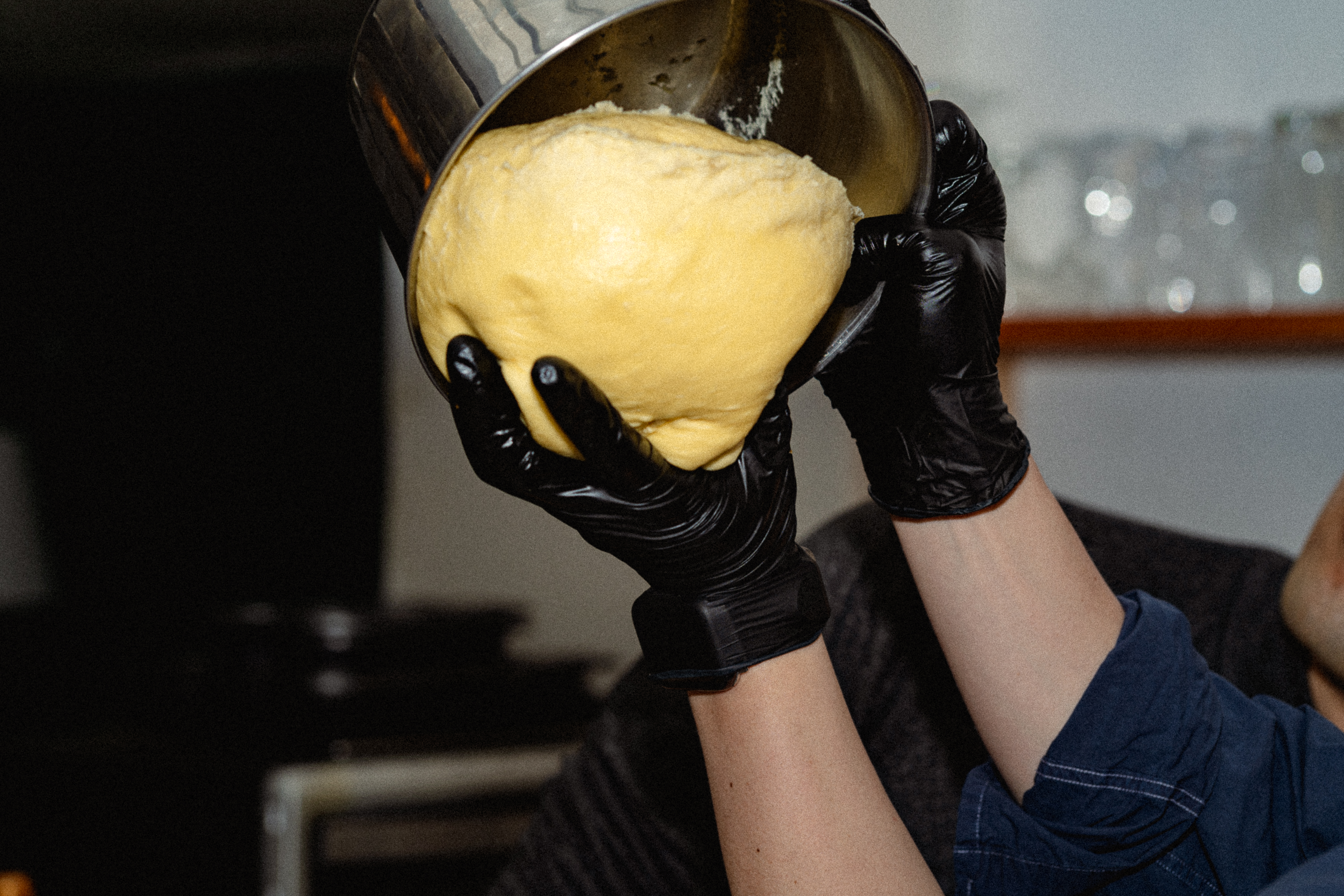
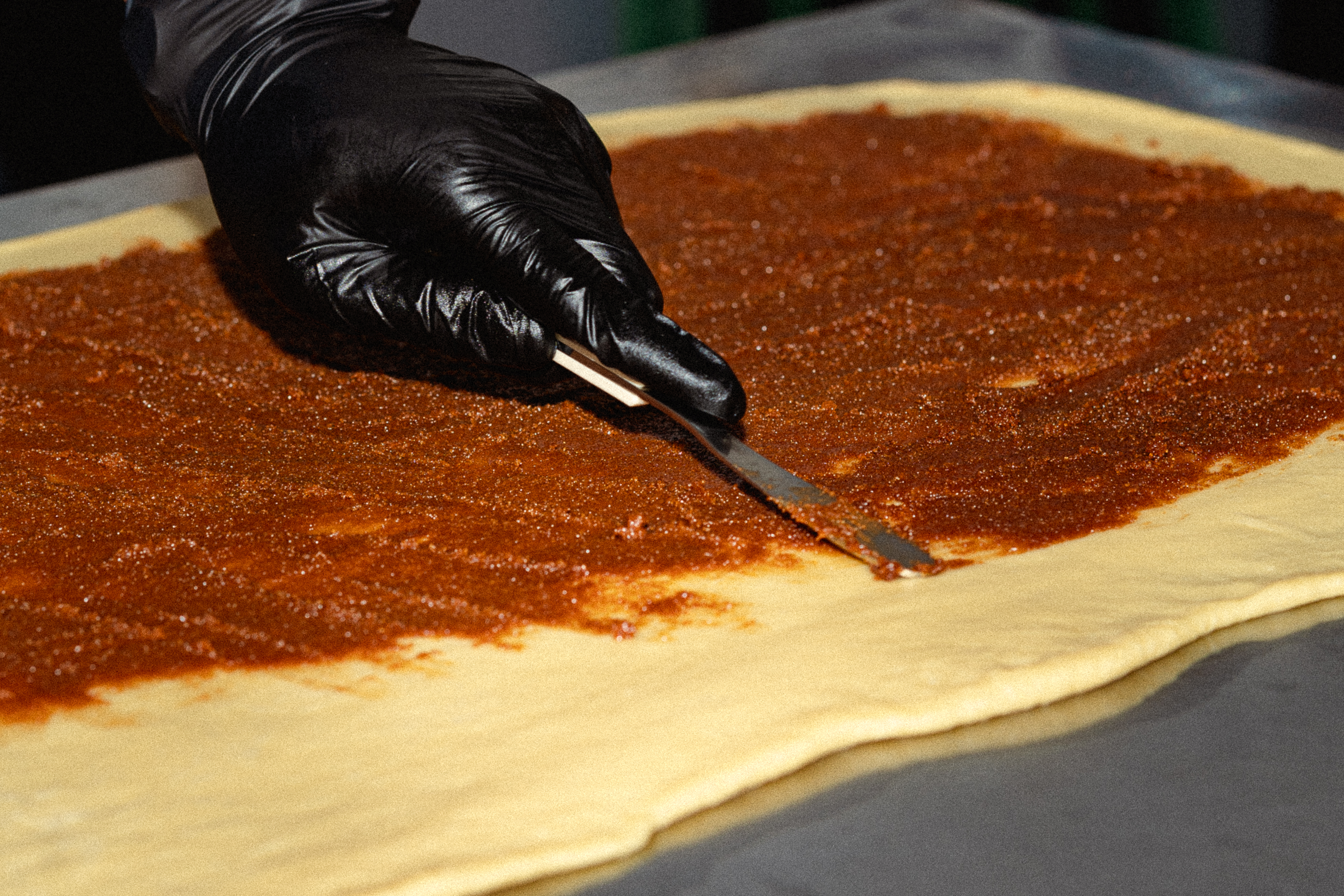
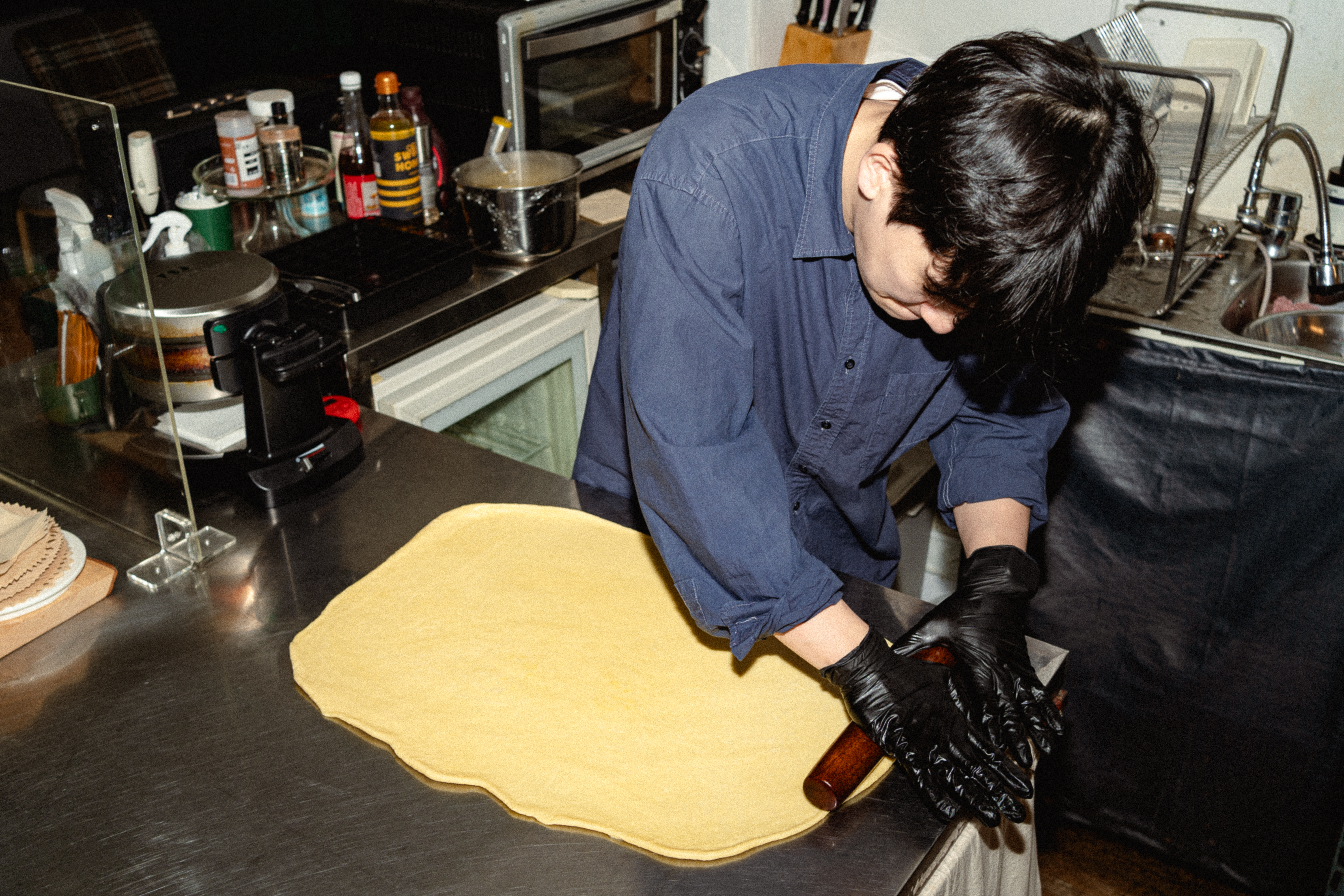
당시에는 버터, 설탕, 밀가루 같은 재료가 비싸고 귀했지만, 전쟁이 끝나고 나서야 가정에서도 여유롭게 사용할 수 있게 되었죠. 이때 많은 스웨덴 가정에서 손으로 반죽하고, 계피와 설탕을 켜켜이 뿌려 정성껏 말아 굽는 카넬불레를 만들기 시작했습니다.
그렇게 카넬불레는 스웨덴에서 회복의 상징이자, 가족과 이웃이 나누는 따뜻한 일상의 중심이 되었습니다.
In Sweden, the cinnamon bun is called Kanelbulle literally “cinnamon (kanel)” and “bun (bulle).”
It’s a simple name, but within it lies something much deeper: a reflection of Swedish life, values, and a warm sense of community.
The Kanelbulle we know today began to take shape in the 1920s and 30s, as Sweden’s economy slowly stabilized after World War I.
At the time, ingredients like butter, sugar, and flour were expensive and hard to come by. But once the war ended, these once luxury items finally became accessible to ordinary households.
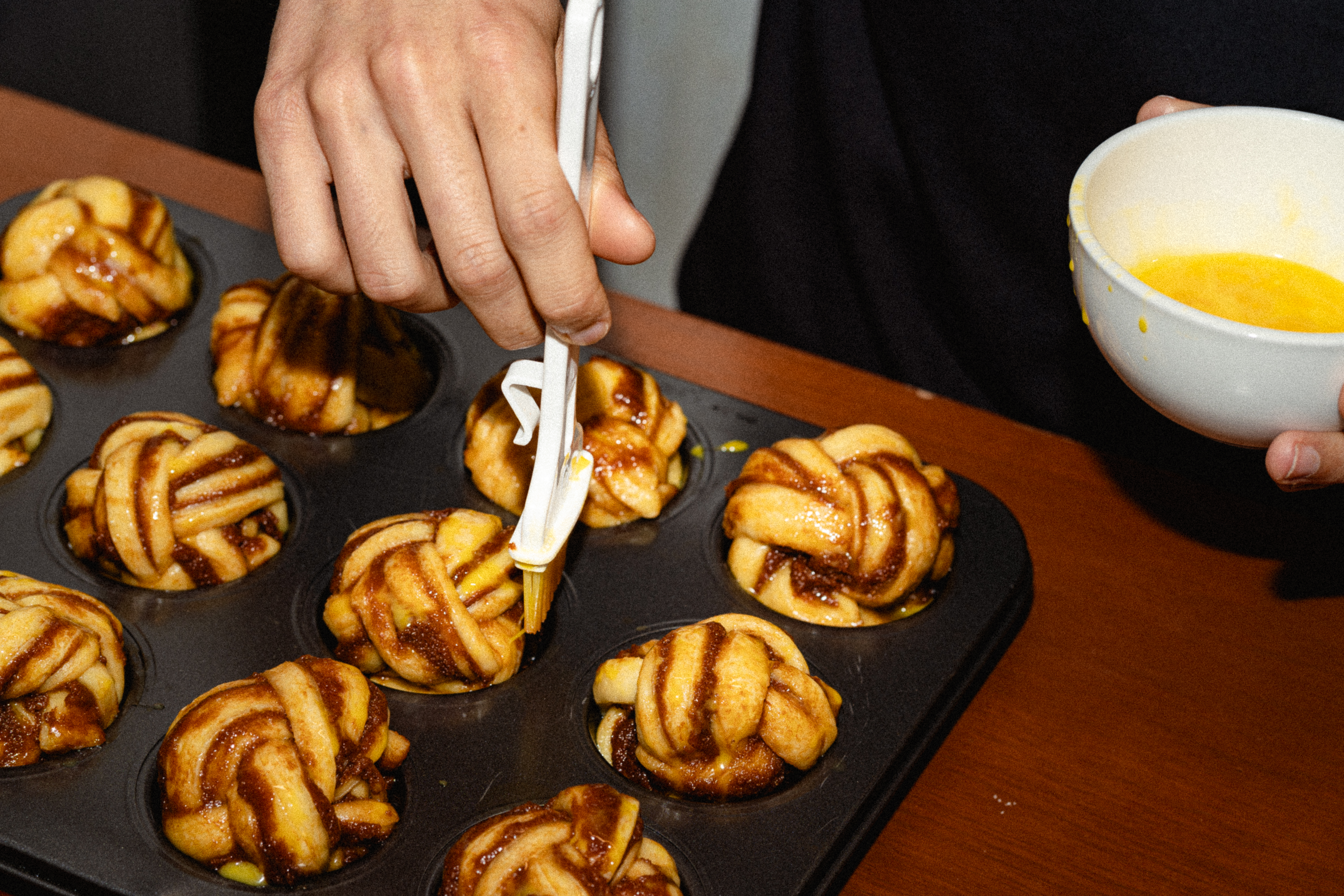
It was then that many Swedish families began kneading dough by hand, layering it with cinnamon and sugar, and carefully rolling it up before baking.
Over time, the Kanelbulle became more than just a treat it became a symbol of recovery, and a warm part of everyday life shared between family and neighbors.




스웨덴 사람들이 카넬불레를 특별히 아끼는 이유는 ‘피카(Fika)’문화와도 깊은 관련이 있습니다.
피카를 커피 브레이크라고 생각하기도 하지만 그 이상의 의미가 있죠. 하루 일정 가운데 누군가와 마주 앉아 커피 한 잔과 작은 디저트를 나누며 대화를 나누는 시간. 어떻게보면 ‘잠깐 멈춰 서로를 챙기는 문화적 의식’이라고 할 수 있습니다.
그리고 이 피카 시간에 빠지지 않는 빵이 바로 카넬불레입니다.
One of the reasons Swedes hold the Kanelbulle so dear is its close connection to their Fika culture.
While Fika is often translated as a simple “coffee break,” it means so much more. It’s a daily ritual—a moment to slow down, sit across from someone, share a cup of coffee and a small treat, and simply talk.
In a way, it’s a cultural practice of pausing to care for one another. And at the heart of almost every Fika table? A freshly baked Kanelbulle, of course.
스웨덴 사람들은 “커피와 카넬불레는 단순한 음식이 아니라, 인간적인 연결의 상징”이라고 말하곤 합니다.
그래서일까요? 매년 10월 4일은 ‘카넬불레의 날(Kanelbullens dag)’로 지정되어 있고, 이 날에는 전국에서 수많은 카넬불레가 구워집니다. 어린이부터 노인까지, 모두가 달콤한 계피 향에 녹녹히 젖어들죠.
Swedes often say that “coffee and Kanelbullar aren’t just food they’re symbols of human connection.”
And maybe that’s why October 4th is officially celebrated as Kanelbullens Dag-Cinnamon Bun Day.
On this day, bakeries across the country fill their ovens, and the sweet scent of cinnamon fills the air.
From children to grandparents, everyone gladly leans into the warmth and comfort of that familiar flavor.

사실 ‘시나몬 번’이라는 이름은 미국식 표현에 가깝습니다. 스웨덴 외에도 덴마크, 핀란드, 미국 등 여러 나라에도 비슷한 빵이 있지만, 나라별로 맛, 재료, 질감이 다르죠.
스웨덴에선 카넬불레라는 고유의 이름과 아주 특별한 향식료인 카르다몸이 들어가고, 덴마크는 계피 달팽이(Kanelsnegl)라는 이름에 걸맞게 작고 얇은 달팽이 모양이 특지입니다.
미국의 시나몬 번은 다양한 크림치즈 아이싱이나 설탕 글레이즈드로 덮여 있어서 아주 묵직한 맛이나고, 핀란드 뺨 맞은 빵(Korvapuusti)이라고 불리듯 크고 넓적한 비대칭 모양으로 시나몬 번이 만들어집니다.
The term “cinnamon bun” is actually more of an American expression.
While Sweden may be home to the Kanelbulle, similar buns can be found across Denmark, Finland, the U.S., and beyond each with its own flavor, ingredients, and texture.
In Sweden, the bun has its own name Kanelbulle and a signature ingredient: cardamom. In Denmark, it’s called a Kanelsnegl, or “cinnamon snail,” known for its small, thin, spiral shape.
In the U.S., cinnamon buns are often rich and heavy, topped with cream cheese frosting or sugary glaze. And in Finland, they have the charmingly named Korvapuusti, which means “a slap on the ear.” It’s big, wide, and a little asymmetrical just like the name suggests.


스웨덴 시나몬 번 이야기의 마지막은 일급기밀 재료인 카르다몸으로 마무리하려 합니다.
카르다몸은 중동, 인도, 스칸디나비아 등지에서 오래전부터 사용된 생강과의 향식료죠. 향은 은은하면서도 약간 시트러스 계열의 매콤함과 스파이시함이 섞여 있고, 입 안을 정화시키는 느낌이 있어서 디저트나 차(예: 인도의 마살라 차이)에도 자주 사용됩니다.
스웨덴에서는 이 카르다몸을 반죽 안에 갈아 넣거나, 가루 형태로 섞어 카넬불레를 만듭니다. 그래서인지 스웨덴식 시나몬 번은 계피의 달콤함에 더해, 약간의 시원하고 깊은 향이 느껴집니다.
Let’s end our journey through the world of Swedish cinnamon buns
with its best kept secret: cardamom.
Cardamom, a spice from the ginger family, has been used for centuries across the Middle East, India, and Scandinavia. Its flavor is subtle yet complex mixing soft citrus notes with gentle heat and a hint of spice. It’s often found in desserts and teas, like India’s masala chai,
and is known for its refreshing, palate cleansing quality.
In Sweden, cardamom is either ground into the dough or added as a powder when making kanelbulle. That’s why Swedish cinnamon buns aren’t just sweet they carry a cool, aromatic depth beneath the cinnamon. It’s this quiet note of spice that gives them their signature warmth.
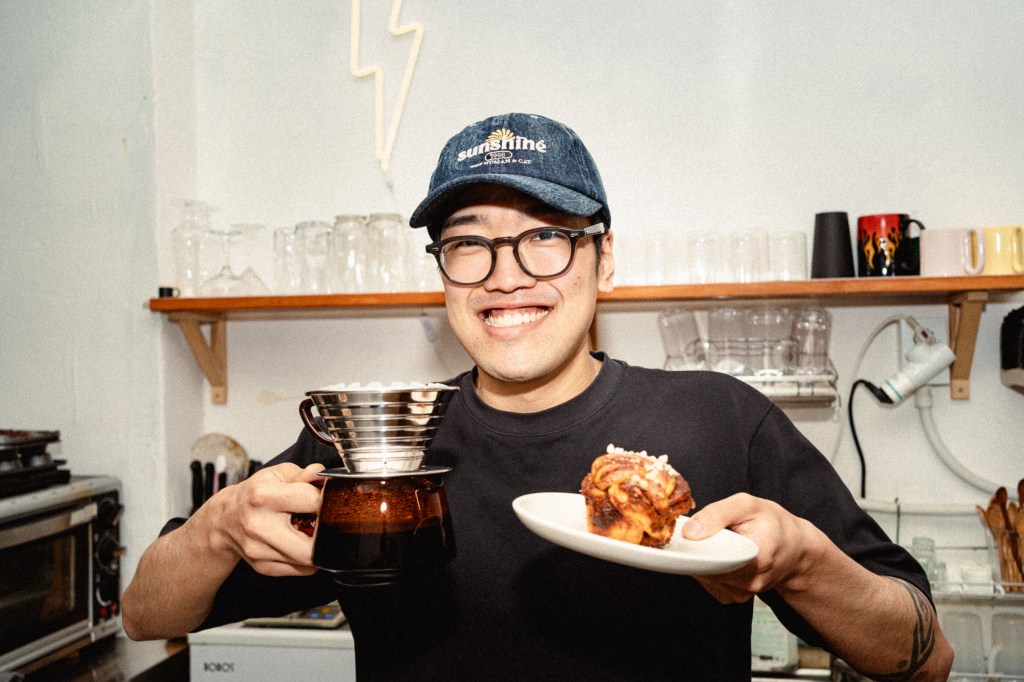
스웨덴 사람들이 이 빵을 그렇게 사랑하는 이유는 누군가에게는 따뜻한 기억이고, 누군가에게는 바쁜 일상의 쉼표, 또 누군가에게는 사람과 사람을 연결하는 다리여서 일겁니다. 스웨덴에서 온 simon이 돌돌 말아올린 작은 휴식을 찾아 건대 후문 704호로 와보세요.
Swedes love this bun for many reasons for some, it’s a warm memory; for others, a quiet pause in a busy day; and for many, a simple bridge between people.
So come find a small, rolled up moment of rest, freshly made by Simon from Sweden, waiting for you at Room 704, just behind the back gate of Konkuk University.
 Daily Photography and Story By Jagyeom Kim